The Recycling Revolution
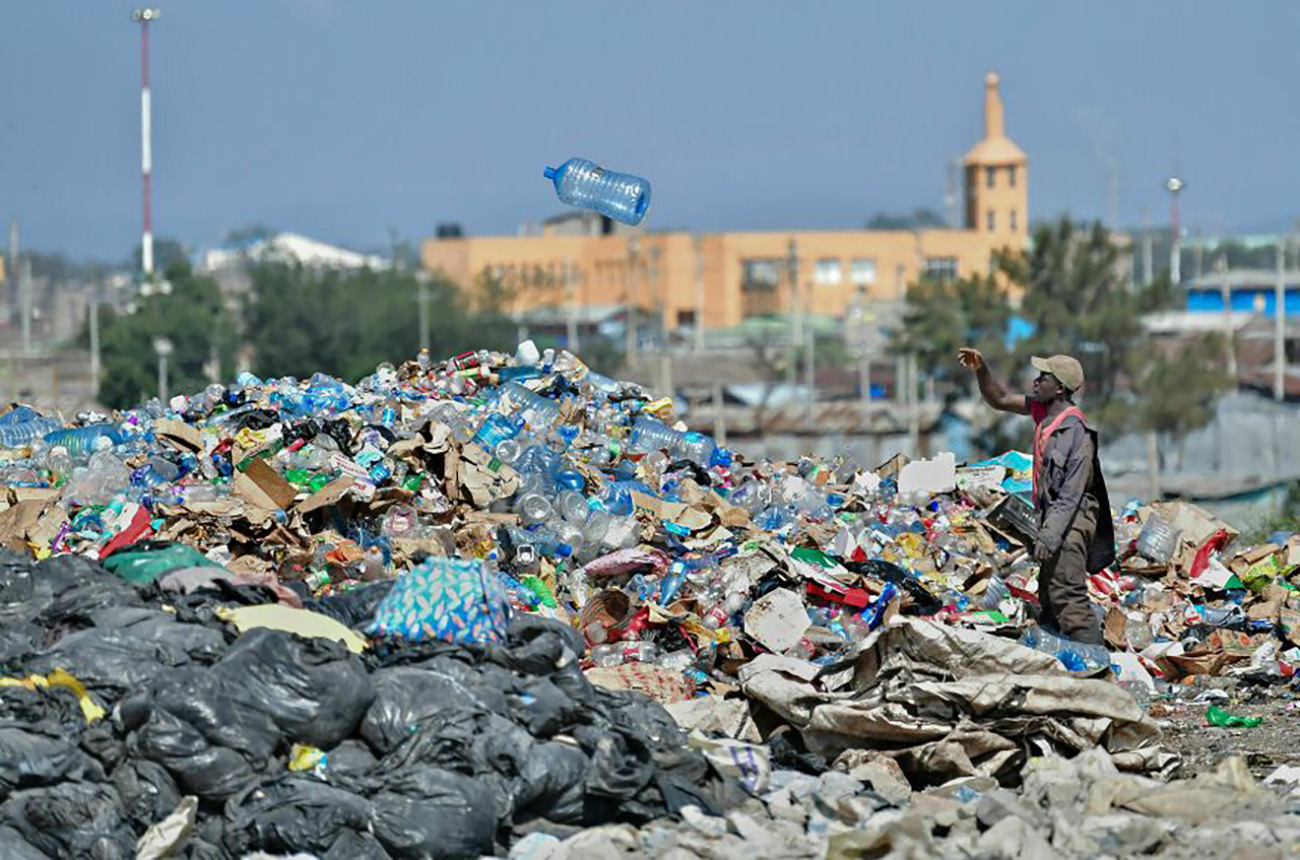
The modern world is drowning in plastic. From oceans to mountaintops, microscopic fragments of our civilization’s waste swirl through ecosystems and bloodstreams alike. Yet, deep in the quiet architecture of fungi, scientists and entrepreneurs are finding a living solution that could help nature take back control.
From menace to mycelium
Plastic production has surpassed 400 million tons annually, according to the United Nations Environment Programme. Less than 10 percent of it is recycled. The rest—bottles, packaging, and synthetic fabrics—lingers for centuries, fragmenting into microplastics that contaminate soil, waterways, and air.
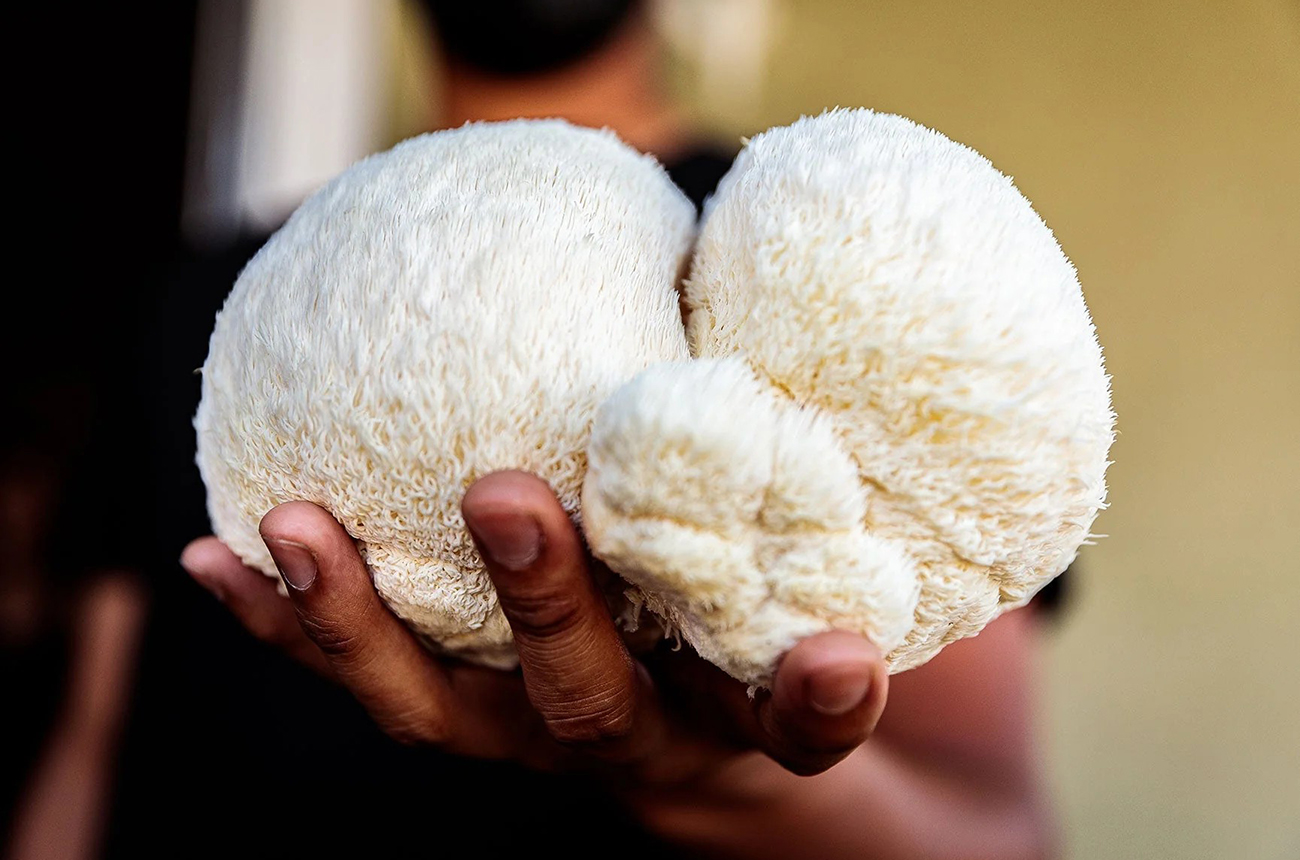
But some of Earth’s oldest organisms are proving they can do what recycling plants can’t. Mycelium—the underground network of branching fungal threads—has shown an uncanny ability to digest plastics once considered indestructible. Species such as Pestalotiopsis microspora and Aspergillus tubingensis can break down polyurethane and PET, the same polymer used in water bottles and polyester clothing.
When given the right conditions, these fungi don’t just survive on plastics; they thrive on them, converting synthetic polymers into harmless organic matter.
The science underground
At its core, the process draws on enzymes secreted by fungi—especially hydrolases and oxidases—that cleave long plastic chains into simpler molecules. In laboratory settings, researchers at Yale and Utrecht University have demonstrated complete degradation of common plastics within weeks, not centuries.
“It’s not magic—it’s metabolism,” said Dr. Elena Nunez, a mycologist exploring fungal degradation pathways. “Fungi evolved to digest lignin, one of nature’s toughest materials. Plastics mimic lignin in molecular structure, so for a mushroom, it’s just another form of food.”
The implications are staggering. Mycelium-based bioreactors could one day replace or supplement mechanical recycling systems, quietly transforming plastic waste into soil-like biomass. Startups in the United States and Europe are already using this principle to develop mycoremediation facilities—where waste meets decomposition on an industrial scale.
It’s not magic—it’s metabolism
Beyond cleanup: design for decay
Fungi aren’t only cleanup crews; they’re building materials and packaging designers. Companies like Ecovative and MycoWorks use mycelium to grow alternatives to styrofoam, leather, and synthetic insulation. These materials biodegrade naturally, leaving no trace in landfills or oceans.
Environmental philosopher Marta Reiss calls this “designing for decay,” a shift from permanence to partnership with natural cycles. “We’ve built a civilization obsessed with durability,” Reiss said. “Fungi invite us to build differently—to make things that know how to die.”
The approach also fits into the growing circular economy movement. Instead of using fossil fuels to make plastics that never disappear, a fungal economy would grow materials that serve their purpose and then return to the soil.
Entrepreneurial roots
In places like Richmond, Virginia, small biotech firms are experimenting with this vision. Startups collect local post-consumer waste, sawdust, and coffee grounds then inoculate them with plastic-eating fungal strains. The end game is full breakdown, slowly digesting mixed waste streams of the composites, but they can also be reintroduced into the packaging production streams or used in construction and water filtration.
“It’s biomimicry with a pulse,” said environmental engineer Jordan Patel, who collaborates with one such startup. “Nature already built the recycling system—we’re just plugging back into it.”
A cultural shift underway
Public awareness of fungal innovation has grown alongside environmental urgency. Social media amplifies projects where mycelium “eats” plastic bags, while documentaries like Fantastic Fungi cast mushrooms as ecological heroes.
Still, experts caution against seeing fungi as a silver bullet. Large-scale mycoremediation must navigate regulatory hurdles, scalability issues, and biosecurity concerns. Most plastic degradation studies remain confined to controlled environments, not landfills or oceans where temperature, moisture, and competing microbes complicate the process.
Yet hope persists. Fungi have been shaping Earth’s chemistry for over a billion years. They decomposed the first forests and recycled the carbon that made complex life possible. If given the chance, they might do the same for our synthetic era.
The quiet revolution
In the dim light of a laboratory incubator—or the humid depths of a compost pile—a quiet revolution is already underway. White threads spread across dark plastic fragments, weaving networks that turn pollution into potential.
Civilizations rise and fall on their ability to adapt. Our plastic planet may yet find renewal, not in machines or markets, but in the soft, persistent touch of the world’s oldest recyclers: mushrooms.