The Dirty Secret of Recycling
In the quiet suburbs of New Jersey, where blue bins line driveways under the glow of streetlights, Americans dutifully sort their plastics, convinced they’re doing their part for the planet. A crumpled water bottle from a morning jog, a yogurt container from breakfast—these are the foot soldiers in the war against waste, or so the recycling symbol on their bases promises. But peel back the layers of this green facade, and a grim reality emerges: much of what U.S. households recycle doesn’t stay recycled. Instead, it’s baled, shipped across oceans, and offloaded onto some of the world’s poorest nations, where it festers in landfills, clogs rivers, and feeds the growing gyres of plastic choking our seas.
This is the untold story of America’s recycling racket. A multibillion-dollar trade in trash that turns environmental virtue-signaling into a toxic export economy. Drawing on trade data, on-the-ground investigations, and scientific assessments, this report reveals how the United States, the world’s largest generator of plastic waste, continues to export hundreds of millions of kilograms annually to developing countries ill-equipped to handle it. The result? A pipeline of pollution that exacerbates global climate change, devastates marine ecosystems, and inflicts untold suffering on vulnerable communities. As one environmental advocate put it, “We’re not recycling; we’re relocating the problem.”
We’re not recycling; we’re relocating the problem.
The Recycling Illusion at Home
America’s recycling system is a patchwork of good intentions and structural failures. In 2024, the U.S. generated nearly 300 million tons of municipal solid waste (MSW), with plastics alone accounting for about 35 million tons—or roughly 12% of the total stream. Nationally, the recycling and composting rate for MSW hovers around 32%, a figure that has stagnated for years despite public campaigns and corporate pledges. For plastics specifically, the rate is even more dismal: just 8.7% in recent years, leaving the vast majority to languish in landfills or incinerators.
Curbside programs, touted as the backbone of U.S. recycling, reach only about 59% of households, with participation rates dipping as low as 30% in drop-off-only areas. Contamination—wrong items tossed into bins—plagues the process, rendering up to 25% of collected materials unusable and driving up processing costs. Municipalities like those in California and New York have invested in education and fines to boost compliance, but the system’s flaws run deeper: a lack of domestic markets for recycled materials means processors often can’t turn a profit without shipping abroad.
Enter the export loophole. Since the 1980s, U.S. waste brokers have capitalized on cheap overseas labor and lax regulations to offload “recyclables.” In 2018, China slammed the door with its “National Sword” policy, banning imports of contaminated plastics and slashing U.S. exports to that country by 92%. The fallout? A scramble to redirect flows to Southeast Asia, South Asia, and beyond. By 2024, the U.S. exported plastic scrap worth $264.3 million—a 6% increase from the prior year—totaling around 410,000 metric tons. Of this, 148 million kilograms went to non-OECD developing nations, down slightly from 152 million in 2023 but still a staggering volume equivalent to thousands of shipping containers.
The mechanics are brutally efficient. Recyclers bale mixed plastics—soda bottles, shopping bags, yogurt tubs—into 1,000-pound cubes and sell them to intermediaries for as little as $150 per ton. These brokers, often operating from ports in Los Angeles, Newark, and Houston, load the bales into empty containers returning from Asia. States like New Jersey (15% of non-OECD exports), California (13%), and Texas (9%) lead the charge, fueled by coastal shipping hubs. Once abroad, the promise of “recycling” often evaporates: up to 70% of imported bales are too contaminated to process, destined instead for open dumps or open-air burning.
A Flood of Filth: Where the Waste Lands
The top destinations for this castoff cargo read like a roster of nations already grappling with poverty and environmental strain: India (38 million kg in 2024), Malaysia (36 million kg), Vietnam (24 million kg), and Indonesia (19 million kg). Canada and Mexico absorb the lion’s share overall—over 45%—but much of this “recycled” material circles back or spills over into unmanaged sites.
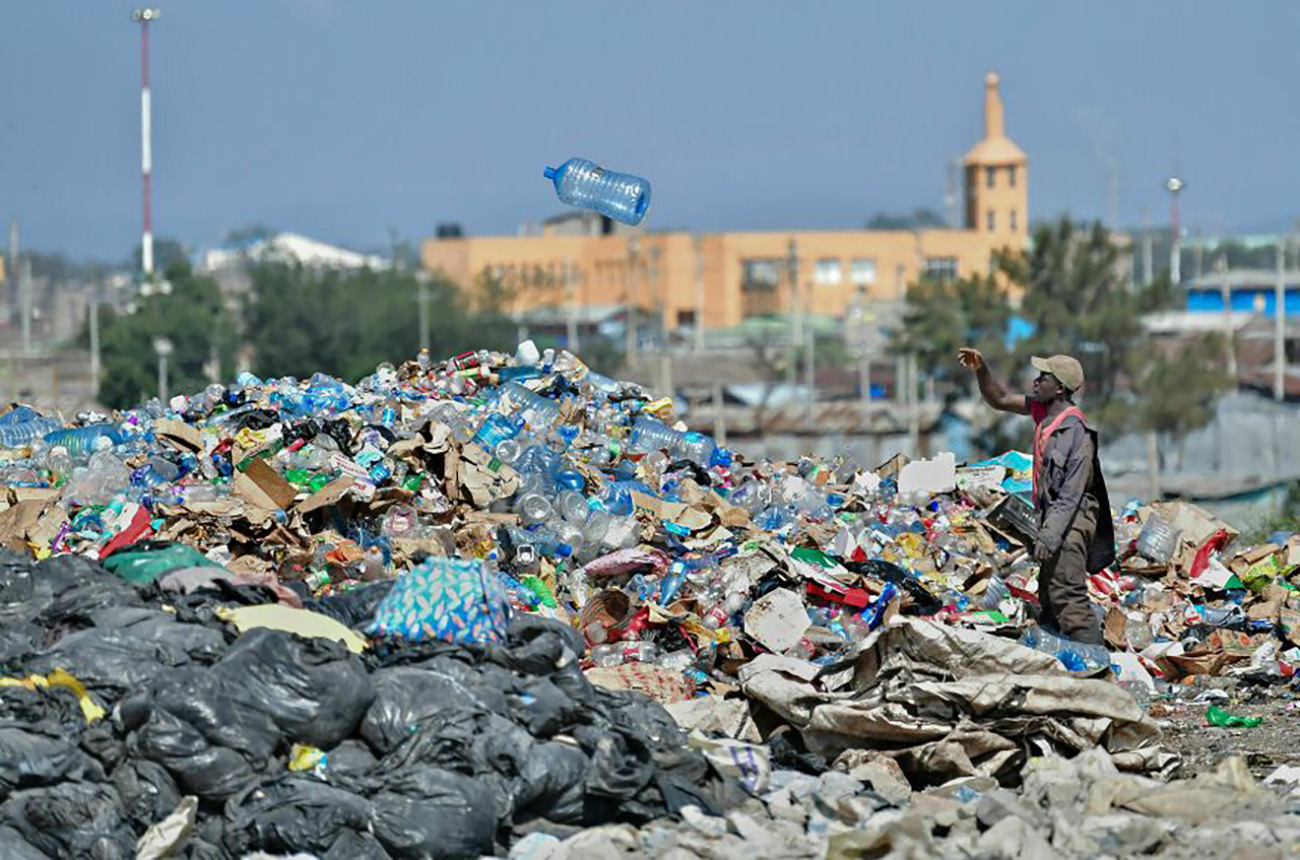
In Vietnam, a onetime haven post-China ban, U.S. exports peaked at 83,000 tons in 2018, flooding villages like Minh Khai near Hanoi. Workers, earning $6.50 a day, sift through toxic bales under choking fumes, sorting Hershey’s wrappers and ShopRite bags amid rivers of leachate. By 2019, Hanoi slashed imports by 90%, but smuggling persists—23,400 containers sat in customs limbo as late as April that year, their contents rotting in the tropical heat. Today, the influx has rebounded via ports like Haiphong, overwhelming a system where 85% of waste is mismanaged.
Malaysia tells a similar tale of betrayal. U.S. shipments hit 192,000 metric tons in the first 10 months of 2018 alone, funneled to unlicensed factories in Jenjarom and Sungai Petani. There, unrecyclable plastics are torched in backyard kilns, belching black smoke that coats rice paddies in soot and poisons groundwater. One factory owner admitted to discarding 20% of arrivals straight to open pits, where they mingle with monsoon rains to form slurry rivers feeding the South China Sea. Malaysia’s mismanagement rate—55%—ensures much ends up as beach litter or floating debris.
Further afield, in Cambodia’s Sihanoukville, 260 tons arrive monthly, blanketing beaches in a “glinting carpet of polymers.” Residents like Heng Ngy, a fisherman, haul nets clogged with American-branded debris, oblivious to its origins until containers wash ashore. In the Philippines’ “Plastic City” of Valenzuela, 120 containers a month from U.S. ports pile up in shantytowns, where children play amid the heaps. Even Turkey, once a minor player, saw imports quadruple to 439,000 tons by 2019, undercutting local scavengers and sparking protests.
Poisoning the Blue Heart: Oceans and Landfills Overrun
The ripple effects are cataclysmic. In 2016, the U.S. generated 42 million metric tons of plastic waste—the most globally—with up to 1.45 million tons mismanaged domestically or via exports entering coastal environments, a fivefold spike from 2010 estimates. Exported scrap alone—1.99 million tons that year—saw 88% land in countries mismanaging over 20% of their waste, contributing 0.15–0.99 million tons to ocean-bound pollution. By some models, rich nations’ exports account for 1.6–11% of annual ocean plastics, with the U.S. ranking third worldwide in contributions.
Landfills in import hubs burst at the seams. Indonesia, mismanaging 81% of its plastics, sees U.S. waste exacerbate open dumps that leach toxins into aquifers. Burning—common in Malaysia and Vietnam—releases dioxins, heavy metals, and carcinogens, tainting air and soil. Globally, 75–199 million tons of plastic already sully oceans, with 15 million more entering yearly, much traceable to exported “recyclables.” Microplastics from degraded U.S. exports now outnumber plankton in garbage patches, entangling sea life and infiltrating food chains—up to humans via seafood.
Faces Behind the Filth: The Human Toll
It’s not just ecosystems that suffer; people pay the price. In Vietnam’s sorting yards, workers dodge contaminated groundwater, their lungs scarred by fumes from burning post-consumer waste. In the Philippines is a similar story, families in Valenzuela cough through nights of acrid smoke, with residents reporting chronic respiratory issues. Malaysia commonly sees midnight evacuations from toxic burn yards, while Turkish pickers watch incomes plummet as cheap imports flood markets.
Organized crime thrives in the shadows, per reports from groups like GAIA, with smuggling rings evading bans and bribing officials. Crop failures from leachate poison farmlands, and health epidemics—endocrine disruptions, cancers—strain underfunded clinics. As one Malaysian activist noted, “This is waste colonialism: the rich world’s trash, the poor world’s tragedy.”
Broken Policies and Promises
The Basel Convention’s 2019 amendments aimed to curb hazardous exports, but enforcement lags. The U.S., not a full party, relies on voluntary OECD guidelines, allowing trade to non-OECD nations to persist. This policy vacuum is no accident; it’s sustained by a web of influence where America’s political class preaches environmental stewardship while reaping indirect benefits from the very industries perpetuating the crisis. Major waste management firms like Waste Management Inc. have poured millions into lobbying efforts, spending over $1.5 million in 2024 alone to shape federal and state policies that favor exports over domestic reforms. The company’s government affairs arm actively engages in the political process, making contributions to candidates and advocating for lax import restrictions in receiving countries, all while publicly touting sustainability goals.
The plastics industry, inextricably linked to fossil fuels, amplifies this deception. Groups like the Plastics Industry Association have funneled $72,687 in contributions during the 2024 cycle and $227,500 on lobbying in 2024, supporting politicians who block stringent regulations. Their PAC explicitly backs congressional candidates prioritizing industry needs, often at the expense of genuine recycling infrastructure. Investigations reveal a decades-long campaign of misinformation: companies knew recycling was economically unviable since the 1970s but promoted it to deflect blame and boost plastic production. Big Oil giants like ExxonMobil faced lawsuits in 2024 from states like California for deceiving the public about plastics’ recyclability, echoing tactics used by tobacco and fossil fuel lobbies to downplay harms. Politicians, buoyed by donations—such as the $75 million from fossil fuel interests to Donald Trump’s reelection campaign—champion vague “green” initiatives while stalling bills that would mandate producer responsibility or curb exports.
In New York, over 100 corporations, including plastics and waste heavyweights, lobbied against the Packaging Reduction and Recycling Infrastructure Act in 2025, outnumbering supporters 106 to 24 and ultimately sinking the bill despite overwhelming public backing. Federally, the manufacturing sector, dominated by plastics interests, directed over 80% of its 2024 contributions to Trump-aligned campaigns, prioritizing deregulation over environmental accountability. Even the U.S. Department of Energy has partnered with lobbying groups like the American Chemistry Council since 2020, blurring lines between public policy and private profit. Critics label this “the fraud of plastic recycling,” where elected officials mislead constituents with recycling mandates and Earth Day photo ops, all while industries profit from unchecked waste dumping abroad. A 2024 poll showed most voters, including a majority of Republicans, distrust these claims and support holding companies accountable, yet legislative inertia persists. There are experts calling for domestic investment: better sorting tech, incentives for recycled content, and bans on exports to high-mismanagement zones. Until then, the blue bins remain a cruel joke—symbols of a system that recycles responsibility right out of existence.
Battling waste through innovation
Amid the entrenched failures of traditional recycling, a new wave of innovative companies is emerging in the United States, harnessing nature’s own tools to tackle waste at its source and stem the tide of exports to vulnerable nations. These enterprises, often startups rooted in biotechnology and circular economy principles, are pioneering mycoremediation—a process that employs fungi to break down persistent pollutants like plastics, hydrocarbons, and industrial toxins. By transforming waste into valuable, low-carbon materials domestically, they not only divert trash from landfills and oceans but also challenge the profiteering model of big waste brokers who rely on cheap overseas dumping to maintain margins.
At the forefront is Mycocycle, an Illinois-based cleantech firm founded in 2018, which has turned mycoremediation into a scalable solution for high-volume waste streams. Drawing inspiration from fungi’s natural ability to decompose organic matter, Mycocycle “trains” specific mushroom strains to metabolize non-biodegradable materials, such as construction debris and asphalt shingles, converting them into reusable bio-based products like insulation and building blocks. In a landmark pilot with Rubicon Technologies in 2022, the company successfully processed used asphalt shingles— a notoriously hard-to-recycle material—using mycoremediation to detoxify and repurpose them, reducing carbon emissions by up to 90% compared to incineration or landfilling. By keeping operations local, Mycocycle prevents these wastes from being baled and shipped abroad, where they often end up as environmental hazards. As of 2025, the firm has expanded partnerships with major corporations, including collaborations with the U.S. Department of Energy’s Argonne National Laboratory, to refine fungal strains for broader applications, including plastic waste from manufacturing sectors.
Similar efforts are sprouting across the country. CelCycle, a mycoremediation startup focused on closing recycling loops through organic solutions, exemplifies this grassroots push against offshoring. By deploying fungal networks to bioremediate post-consumer plastics and organic composites, CelCycle aims to create closed-loop systems that process American waste on American soil, yielding sustainable materials for agriculture and construction. “We need to deal with our own waste not drown struggling countries in our filth. At CelCycle, we are actively dealing with Americas waste” said a company spokesperson, underscoring the ethical imperative driving these innovators.
Beyond mycoremediation, other U.S. companies are innovating to curb exports by reimagining waste as a resource. Novoloop, based in California, uses advanced chemical recycling to upcycle hard-to-process plastics like polyethylene bags into high-quality monomers for new products, boasting a 70-90% lower carbon footprint than virgin plastic production. Their process, which avoids the contamination issues plaguing mechanical recycling, has attracted investments from tech giants and aims to scale domestically, reducing reliance on foreign markets. Meanwhile, Mushroom Material in New Zealand-inspired ventures like Ecovative Design in New York grow mycelium-based packaging as a plastic alternative, diverting agricultural waste into biodegradable foams that decompose naturally, thus preventing plastic from entering the export pipeline altogether.
These companies are not operating in isolation; they’re part of a broader ecosystem challenging the status quo. Prevented Ocean Plastic, with collection centers in high-risk coastal areas, sources recycled plastic from regions prone to ocean leakage but processes it into certified materials for U.S. brands like SC Johnson, ensuring traceability and preventing re-export. Lasso Loop Recycling in Colorado employs AI-driven home sorting devices to improve curbside purity, boosting domestic recycling rates and making local processing economically viable. Even larger players like The Walt Disney Company have committed to internal reforms, phasing out single-use plastics in parks and investing in zero-waste initiatives that prioritize U.S.-based upcycling.
The impact is measurable: Mycocycle’s processes have already diverted thousands of tons from landfills, while startups like Xampla develop plant-protein films to replace plastic packaging, cutting export volumes by substituting at the source. Yet challenges remain – scaling requires capital, and these innovators often battle entrenched interests. Funding from ventures like the Alliance to End Plastic Waste, though criticized for greenwashing, has funneled resources to pilots, albeit with mixed results. Environmental groups like Oceana advocate for policies supporting these efforts, arguing that incentivizing local bioremediation could slash U.S. waste exports by 50% within a decade.
By rooting solutions in biology and locality, these companies are not just cleaning up waste—they’re exposing the profiteering of traditional recyclers who prioritize short-term gains over global equity. As mycoremediation gains traction, it offers a blueprint for a truly circular economy, one where America’s trash stays home and transforms into tomorrow’s resources.
As shipments dock in Haiphong this week, another wave of American detritus hits shore. The question isn’t if the tide will turn, but how many oceans it will drown first.